Decorative pillows add color, texture, and dimension to a bedroom while providing a flexible accent for beds and seating. Their smaller format makes it possible to coordinate or contrast with bedding, sheets, and duvet covers without changing the foundational linens. Color, fabric, shape, and scale all influence how a pillow contributes to a room’s overall appearance.
When choosing decorative pillows, consider how their texture and proportions relate to the mattress and bed linens. A smooth fabric can create contrast against textured bedding, while a coordinated palette helps the bed feel visually unified. Decorative pillows may also provide light cushioning when sitting up to read or rest, though they are not substitutes for supportive sleep pillows.
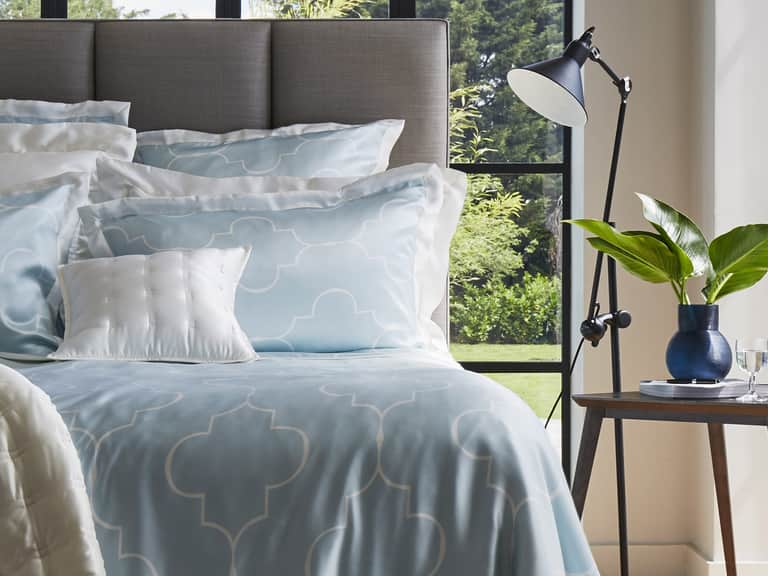
The Windsor Silk Decorative Pillow in Ivory is an example of a decorative accent defined by silk fabric and a neutral color. Silk’s smooth surface introduces a subtle sheen and tactile contrast, while ivory can complement a range of bedding colors. Its role is primarily decorative, with added softness for lounging or supporting the back while seated.
Silk is a delicate textile, so its appearance and longevity depend on appropriate handling and care. Follow the product’s care instructions, and consider how exposure to sunlight, moisture, or friction may affect the fabric. Regularly arranging decorative pillows helps maintain a tidy bed presentation and keeps their color and texture visible as part of the room’s design.
Decorative pillows can coordinate with varied bedroom essentials, including sheets and duvet covers, and bring a finishing accent to rooms with organic mattresses or innerspring mattresses. Their visual effect depends on placement, color balance, and fabric contrast rather than mattress construction. Understanding these relationships helps create a cohesive, comfortable bedroom setting suited to everyday use.
 Bedding