A Comprehensive Guide to Cotton Sateen Sheets: Comfort, Care, and Longevity
Exploring the silky finish, warmth, and enduring durability of cotton sateen sheets, with practical care tips to keep them soft and lustrous across seasons.
In the quiet ritual of turning down a bed, the unseen thread that binds comfort to daily life often lies in the texture of the sheets. Cotton sateen sheets are renowned for a smooth, almost satin-like surface that catches light with a gentle glow. They offer a distinctive balance of softness, warmth, and a subtle drape that can elevate a bedroom from merely restful to genuinely inviting. This guide delves into what makes sateen different from other common sheet finishes, how thread count and fabric quality shape performance, and the practical care steps that preserve their beauty and longevity.
What sets cotton sateen apart begins with the weave. Sateen is woven with a higher proportion of warp yarns on the surface, creating a fabric with a soft, sheen-filled hand and a silky feel. Unlike the crisper, cooler touch of percale, sateen tends to be warmer to the touch and has a natural elegance that suits a cozy, luxurious bedroom ambience. Yet, the best sateen remains breathable and durable, a combination that modern textile craftsmanship strives to achieve through fiber quality, weave precision, and finish.
The sheets you choose influence more than comfort alone. They affect sleep experience, ease of bed-making, and even the perceived cleanliness of the sleeping environment. In the pages that follow, we examine the interplay of thread count, fiber quality, and finishing processes that define softness, durability, and the characteristic drape of cotton sateen.
Understanding the sateen weave: softness, glow, and breathability
The term “sateen” describes a weaving technique, not a fiber alone. In cotton sateen, threads are sewn into a satin-like surface with a high sheen, which can produce a luxurious hand feel and a slight weight that settles gracefully over the mattress. A well-executed sateen sheet should feel smooth to the touch, yet not plasticky or heavy, striking a balance between body, drape, and air permeability.
Thread count is often cited as a proxy for quality, but it is not the sole determinant. A 300-thread-count sateen, for example, can deliver a refined balance of softness and durability when the cotton is long-staple and the weave is precisely controlled. Higher thread counts can enhance the sheen and weight, but they may also reduce breathability if the weave tightens excessively. The most enduring sateen sheets typically rely on high-quality long-staple cotton, careful finishing, and consistent construction.
In practice, many sleepers find a 300–400 thread count sateen to be an ideal range for year-round comfort. The fabric remains breathable enough for warmer nights while providing the warm, enveloping feel that sleepers associate with premium bedding. For those who favor a cooler night’s sleep, blends or lighter weight weaves might be preferable, but a well-made sateen can still offer a refreshing and comforting touch.
Cotton varieties and finishing: what to look for in sateen sheets
Long-staple cotton is widely regarded as superior due to its strength, softness, and resilience to pilling. Pima and Egyptian cotton are common examples of long-staple fibers that can contribute to a lustrous surface and lasting durability in sateen sheets. Sateen finishes vary—some are engineered to be silky and smooth from the first wash, while others rely on post-weave finishing to enhance sheen and hand feel.
Finishing details matter. Finishes that improve colorfastness, wrinkle resistance, and laundering ease help sheets maintain their appearance over time. The balance between finish and tactile quality is delicate: an overly aggressive finish can dull the natural softness, whereas a light, well-applied finish can preserve texture and drape while supporting practical wear.
Color and dye stability are also considerations. A high-quality sateen sheet should maintain its color through repeated washing cycles without excessive fading or transfer. This is particularly important for households that pursue a consistent palette in the bedroom.
Care and longevity: washing, drying, and preserving the drape
Proper care is the quiet steward of a sateen sheet’s beauty. Care instructions vary slightly by brand and finish, but several universal practices help maximize softness, color retention, and structural integrity.
- Wash with like colors in a gentle cycle using a mild detergent. Avoid harsh bleaches that can break down cotton fibers and affect the sheen over time.
- Avoid fabric softeners that may coat the fibers and reduce breathability. If needed, use a small amount or an alternative such as white vinegar in occasional washes to soften fibers naturally.
- Choose a warm-to-cool wash temperature appropriate for the color and care label. High heat can contribute to fiber fatigue and pilling; lower temperatures help preserve texture and color.
- Dry on a low heat or line-dry when possible. Tumble drying on high heat can cause shrinkage and reduce the sheet’s life. Remove promptly to minimize wrinkles or use a gentle steam or reduced-heat setting.
- Avoid over-drying. Excessive heat can cause fibers to become brittle; a little residual moisture can help maintain softness upon subsequent uses.
- Store sheets clean and completely dry in a cool, dry place. Rotating sets helps distribute wear evenly and keeps color uniform across seasons.
For those who live in climates with particular humidity or temperature fluctuations, adjusting care routines can support lasting softness. In some environments, a lighter finish or specific fiber blends can offer a better match for seasonal comfort while preserving the sheets’ lifespan.
Choosing the right sateen sheet for your sleep life
Selecting sateen sheets is a nuanced decision that blends personal preference with practical considerations. Start with fiber quality: long-staple cotton tends to deliver a smoother hand and greater durability. Then consider thread count as a guide, not a rule—evaluate the weave, finish, and overall feel in person where possible.
Climate and seasonality influence choice. In cooler months, a slightly warmer, denser sateen can feel more comforting, while in warmer months, a lighter weight with breathable weave can help maintain a comfortable sleeping environment. If you share a bed with a partner who has different warmth preferences, a mid-range thread count and a forgiving weave can help balance comfort for both sleepers.
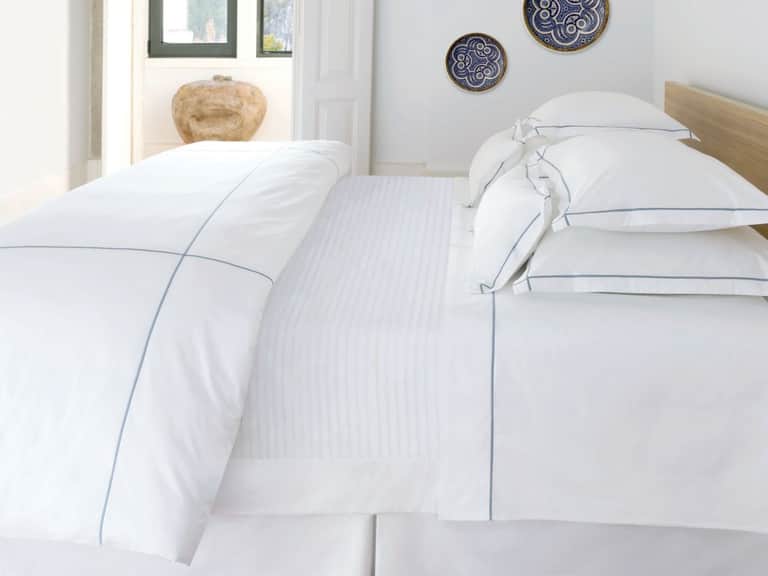
Finally, consider the broader bedding ensemble. The sheen and weight of sateen sheets influence how they pair with a duvet, a comforter, or a quilt. A well-matched sheet set can enhance the perceived quality and harmony of the entire sleep space, letting you greet each morning with a sense of calm and order.
A note on product selection and context
While this guide speaks to the qualities of cotton sateen sheets in general, it is also informed by practical examples and a spectrum of offerings that you might encounter in high-end bedding lines. The distinction between brand markings, weave techniques, and finishing processes matters when evaluating sheets. Look for items that prioritize long-staple cotton, consistent construction, thoughtful finishing, and transparent care guidelines. The best sateen sheets are those that combine a refined tactile sense with reliable, everyday performance.
In the broader context of bedding in today’s market, cotton sateen sheets sit among a family of options that includes percale, jersey, and linen blends. Each has its own dialogue with temperature regulation, moisture management, and feel. The choice should align with your sleep temperament, environmental conditions, and the overall design language of your bedroom.
Practical takeaway: a quick framework for choosing sateen sheets
- Prioritize fiber quality: look for 100% long-staple cotton or high-quality blends labeled for softness and durability.
- Consider thread count in context: 300–400 is a common range for a balanced sateen feel and longevity.
- Assess the finish: a gentle, well-applied finish preserves softness and enhances color retention.
- Match climate and warmth preferences: warmer climates may benefit from a lighter weight with good breathability.
- Follow care instructions closely: proper washing and drying routines significantly extend softness and drape.
Virginia context: climate considerations and sleep comfort
While the science of bedding applies universally, regional climate nuances can shape preferences. Virginia’s seasonal shifts—from humid summers to cool winters—invite thoughtful choices about bedding layers. In warm summers, sateen sheets with breathable finishes can maintain a comfortable microclimate at night, while cooler months may benefit from a slightly heftier sateen that still preserves warmth without trapping excess heat.
For readers in Virginia or those with Virginia-inspired interest, the principle remains: select bedding that harmonizes with personal comfort, room temperature, and humidity. A well-chosen sateen sheet set can anchor a bedroom’s climate strategy, contributing to a sleep routine that feels restorative rather than aspirational.
Closing reflection: the lasting appeal of silk-smooth sleep
Cotton sateen sheets, at their best, invite a nightly ritual of soft textures and quiet, luminous calm. They carry the memory of a good night’s sleep in the way their surface catches the light and settles around the body with ease. As with any material that blends artistry and function, longevity depends on thoughtful fiber choices, intentional finishing, and attentive care. This guide aims to equip readers with a practical understanding that translates into meaningful, daily comfort.
In a world crowded with options, the enduring appeal of cotton sateen lies in its capacity to be both luxurious and approachable. It is a reminder that the smallest details—the touch of fabric, the fall of a sheet over a mattress, the ease of a morning routine—can shape the experience of sleep as a natural, everyday wonder.
Product context: select bedding options available on this site
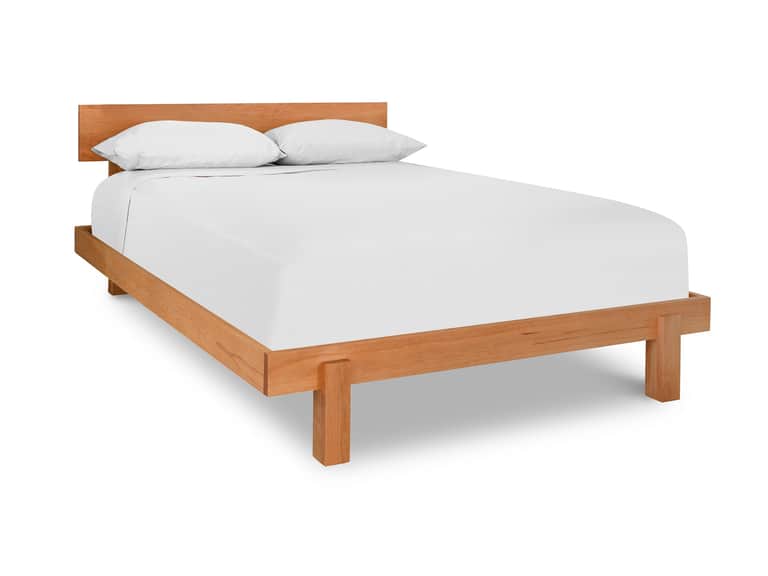
For readers exploring tangible examples within a curated collection, the site offers a range of bed-lifestyle products that align with the themes discussed. One example is the Kipling Bed—an elegantly crafted platform bed that provides a solid, timeless foundation for a sleep-ready room. While the bed itself is a separate piece from the sheets, its design harmonizes with the atmosphere of a refined sleeping environment.
If you are considering a new sleep setup that pairs a well-made bed with high-quality sheets, the Kipling Bed represents a wood-forward, platform-based foundation that can complement a range of bedding ensembles, including cotton sateen sheet sets with a properly matched color palette and finish. The selection of natural wood tones—cherry, maple, or walnut—offers a versatile backdrop for varying interior styles, from minimal to traditional.
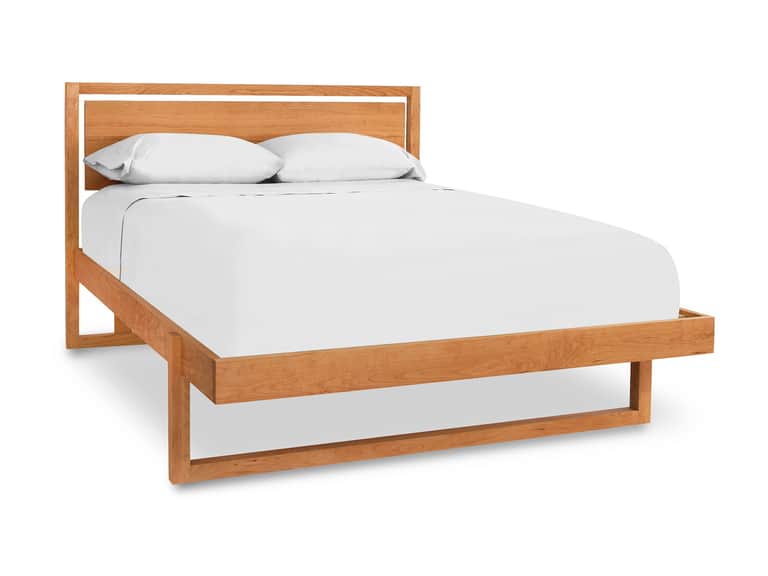
For further practical inspiration, the site also presents other bed constructs and textiles that cater to a fine balance of form and function, designed to support a restful night’s sleep. While product pages provide concrete details, the guiding ethos remains an emphasis on enduring quality, careful craftsmanship, and sleep-centered design.
Note: This article references general bedding knowledge and practical care guidelines. Specific care instructions may vary by brand and fabric treatment; always consult the care label on your sheets for the best results.